
Tequila shows up at celebrations, dinner tables, and happy hours all over the world, but most people pouring a shot or sipping a margarita have never actually stopped to ask: what is tequila made from, and how does it end up in the bottle? It’s not made from just any plant; it can’t legally be produced just anywhere, and the process behind it is a lot more involved than fermenting grapes or grains. This guide breaks down everything you need to know, from the plant it comes from to the different styles you’ll find on a shelf.
What Is Tequila?
Tequila is a distilled spirit made from the blue Weber agave plant, produced almost exclusively in specific regions of Mexico. Unlike whiskey, which is made from grains, or rum, which comes from sugarcane, tequila’s entire identity is tied to a single species of agave grown in a handful of Mexican states. Its flavor, earthy, slightly sweet, sometimes peppery or smoky depending on how it’s made, comes directly from that plant and the way it’s processed before and after distillation.
The name itself comes from the town of Tequila, located in the Mexican state of Jalisco, where large-scale production of the spirit began. Over the past two centuries, that regional drink grew into one of the most recognized and consumed spirits on the planet, with strict rules now governing what can and cannot be legally labeled “tequila.”
Is Tequila Made From Cactus?
This is one of the most common misconceptions out there, and it’s an easy mistake to make, since agave does look like a spiky, cactus-like plant at first glance. But agave and cactus are not related at all. Cacti belong to the Cactaceae family, while agave is part of the Asparagaceae family, making it a distant relative of asparagus rather than a cactus.
The confusion likely comes from the plant’s thick, fleshy leaves and sharp spines, which resemble the look of desert cacti like the prickly pear. In reality, agave grows in a rosette shape, with long, pointed leaves radiating outward from a dense central core called the piña, which is where all the sugars used in tequila production are stored. So while it’s a fair guess, tequila has nothing to do with cactus. It comes entirely from agave.
Blue Weber Agave Explained
Not just any agave will do. By law, tequila must be made from blue Weber agave, scientifically known as Agave tequilana. This particular species is prized for its high concentration of natural sugars, which convert efficiently during fermentation and give tequila its distinct flavor profile.
Blue Weber agave takes years to mature, typically between six and eight years before it’s ready for harvest, depending on soil, climate, and altitude. During that time, the plant develops a large piña at its base, sometimes weighing well over 100 pounds. Farmers, known as jimadores, harvest these piñas by hand using a sharp, round blade called a coa, carefully trimming away the spiky leaves to expose the core. This process hasn’t changed much in generations, and skilled jimadores are considered essential to producing quality tequila, since the harvest timing and technique directly affect the final product.
The soil and climate of the agave fields also play a major role. Agave grown in the highlands of Jalisco tends to produce a sweeter, fruitier spirit, while agave grown in the lowlands near the town of Tequila often results in a more earthy, vegetal flavor. This regional variation is part of why tequilas from different producers can taste so different, even when made from the same species of plant.
How Tequila Is Made
Once the agave piñas are harvested, they go through a fairly involved production process before becoming the finished spirit:
- Cooking the piñas: The harvested piñas are cooked, traditionally in brick ovens or large autoclaves, to break down the complex carbohydrates into fermentable sugars. This step can take anywhere from a few hours to over a day.
- Extracting the juice: Once cooked and softened, the piñas are crushed to extract their sweet juice, called aguamiel. Traditional producers still use a large stone wheel called a tahona for this step, while larger operations rely on mechanical shredders.
- Fermentation: The extracted juice is transferred to fermentation tanks, where yeast is added to convert the natural sugars into alcohol. Fermentation typically takes anywhere from a few days to over a week, depending on the producer’s methods.
- Distillation: The fermented liquid is distilled, usually twice, in copper or stainless steel stills. This process removes impurities and concentrates the alcohol, resulting in the clear, high-proof spirit known as blanco or silver tequila.
- Aging (optional): Depending on the style being produced, the distilled spirit may then be transferred to oak barrels for aging, which adds color and additional layers of flavor over time.
- Bottling: Finally, the tequila is diluted to the appropriate proof, filtered if necessary, and bottled for sale.
Each of these steps can be adjusted slightly by different producers, which is part of why tequila brands vary so much in taste, even when they’re all technically following the same basic process.
Where Tequila Can Legally Be Produced
Tequila isn’t just a style of spirit. It’s a legally protected term, similar to how Champagne can only come from the Champagne region of France. Under Mexican law, tequila can only be produced in five designated states: Jalisco and limited parts of Guanajuato, Michoacán, Nayarit, and Tamaulipas.
This designation is enforced by the Consejo Regulador del Tequila (CRT), the regulatory body responsible for certifying that tequila meets specific standards regarding agave content, production methods, and geographic origin. Spirits made from agave outside these regions, or made using different agave species, may be labeled as mezcal or another agave spirit, but they cannot legally be called tequila. This is part of why authentic tequila carries a certain level of prestige, tied directly to a specific place, plant, and process that can’t be replicated elsewhere and still carry the name.
Different Types of Tequila
Tequila is generally categorized based on how long it’s aged, and each type offers a noticeably different flavor experience:
- Blanco (Silver): Unaged or aged for less than two months, blanco tequila has the purest agave flavor, often described as crisp, bright, and slightly peppery.
- Reposado: Aged in oak barrels for two months to a year, reposado develops a mellower flavor with light notes of vanilla and caramel from the wood.
- Añejo: Aged for one to three years, añejo tequila takes on a deeper amber color and richer, more complex flavor, often compared to a fine whiskey or cognac.
- Extra Añejo: Aged for more than three years, this is the rarest and most refined category, offering a smooth, sipping-quality experience similar to an aged brandy.
- Joven (Gold): Often a blend of blanco and aged tequila, joven tequila offers a middle ground in both color and flavor, though quality can vary widely depending on the brand.
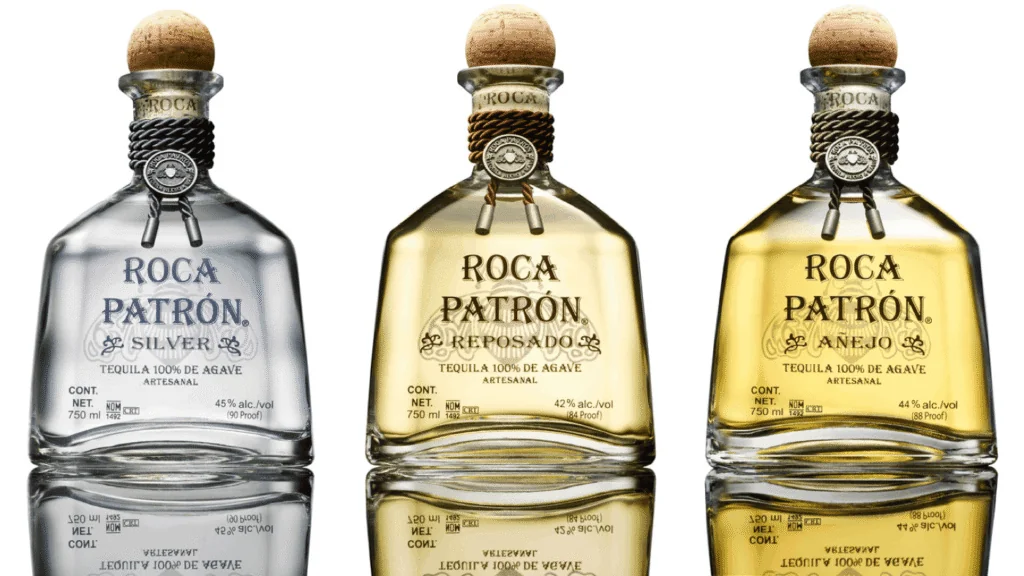
Each category serves a different purpose. Blanco is often preferred for cocktails like margaritas because its bright flavor holds up well when mixed, while reposado and añejo are typically sipped slowly to appreciate the aging process.
How to Drink Tequila
Contrary to the shot-and-lime-wedge reputation tequila has in some circles, it’s increasingly treated as a sipping spirit to be savored rather than rushed. How you drink it really depends on the style:
- Blanco tequila works well in cocktails, but a good one can also be sipped neat or over a single large ice cube to open up its flavor.
- Reposado and añejo tequilas are best enjoyed slowly, in a small glass, similar to how you’d drink a whiskey or cognac, allowing the aged notes to come through.
- Tequila flights, small tasting pours of different styles side by side, have become a popular way to compare blanco, reposado, and añejo in one sitting, especially for people who are still learning what they prefer.
- Margaritas and cocktails remain one of the most popular ways to enjoy tequila, particularly blanco or reposado styles, which balance well with lime, orange liqueur, and other mixers.
Ultimately, there’s no single “correct” way to drink tequila. The right approach depends on the quality of the spirit, the occasion, and personal preference, though understanding what is tequila made from and how it’s aged can make it much easier to choose the right style for the moment.
From the agave fields of Jalisco to the final bottle, every step in the process shapes the glass in front of you, whether you’re sipping it slowly or mixing it into a cocktail.
If you’re in Massachusetts and want to explore all of this firsthand, Fiesta Tequila Bar in Swansea, MA is worth a visit. It’s a proper tequila restaurant built around education and genuine appreciation for the spirit, offering tequila flights near me that make it easy to compare blanco, reposado, and añejo side by side. Whether you’re searching for a tequila bar near me or already know your way to Tequila Bar Swansea, the fiesta tequila bar menu and full tequila menu give you plenty of ways to taste what you just learned about.